


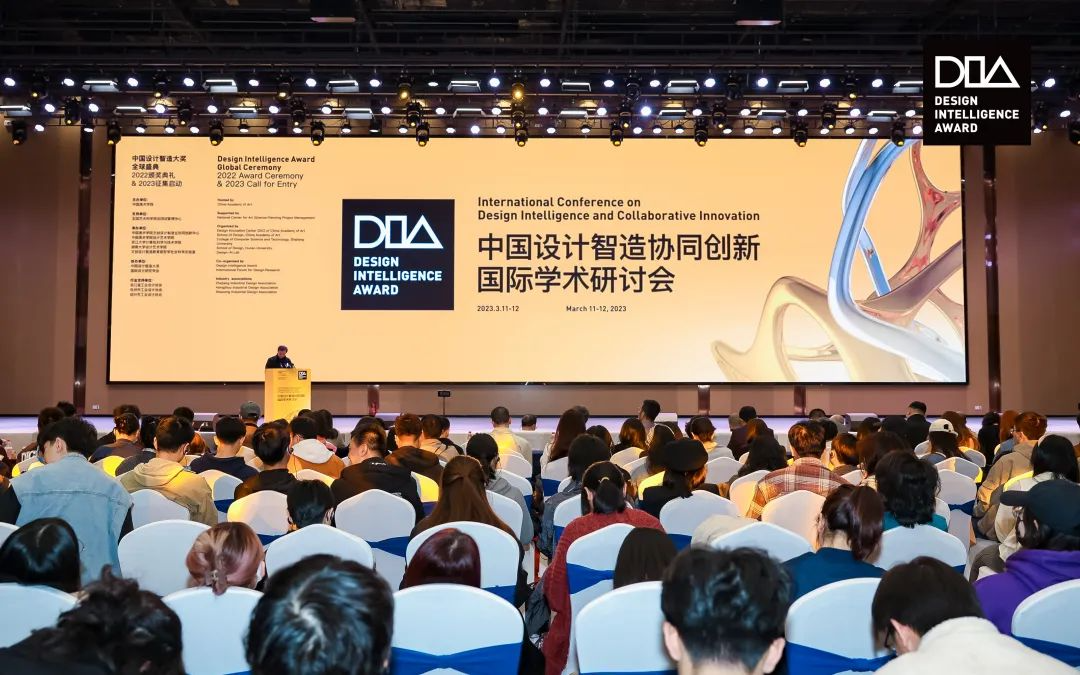
On March 11, 2023, the main forum of the 2022 International Conference on Design Intelligence & Collaborative Innovation came to a successful conclusion. The forum invited 16 experts, professors and industry pioneers from key design colleges at home and abroad to discuss the innovation and cooperation direction faced by industries, universities and research institutions with design as the core in this era full of challenges and opportunities. The guests shared their research results and practical experiences, discussed how to remain cutting-edge and innovative in the ever-changing environment, and triggered thinking on how to better serve the society and the progress of human civilization. The forum has injected new impetus in promoting interdisciplinary and cross-domain cooperation and innovation in design.
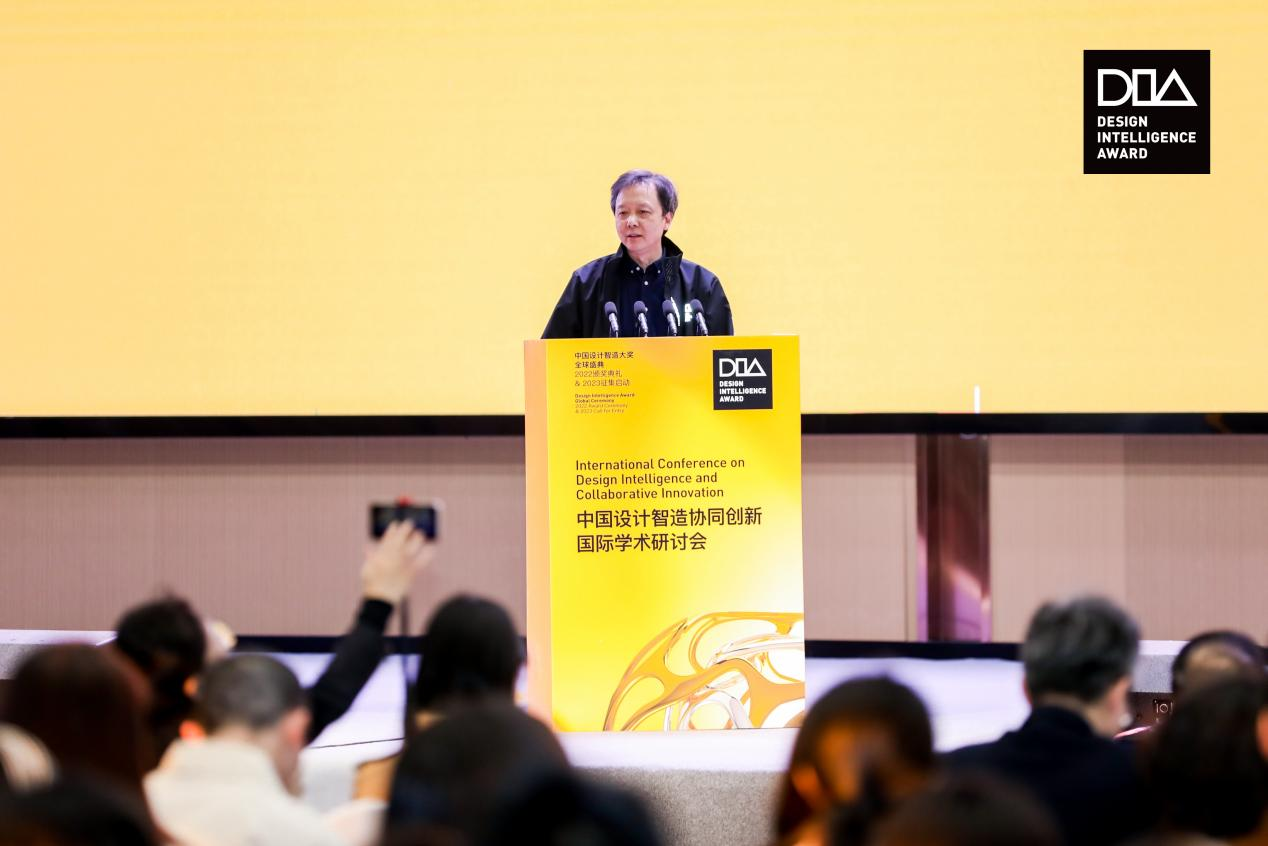
Academic host of the first session
Song Jianming, Chairman of DIA Committee and Professor of China Academy of Art

Academic host of the second session
Duan Weibin, Professor of China Academy of Art and Dean of CAA School of Design & Innovation
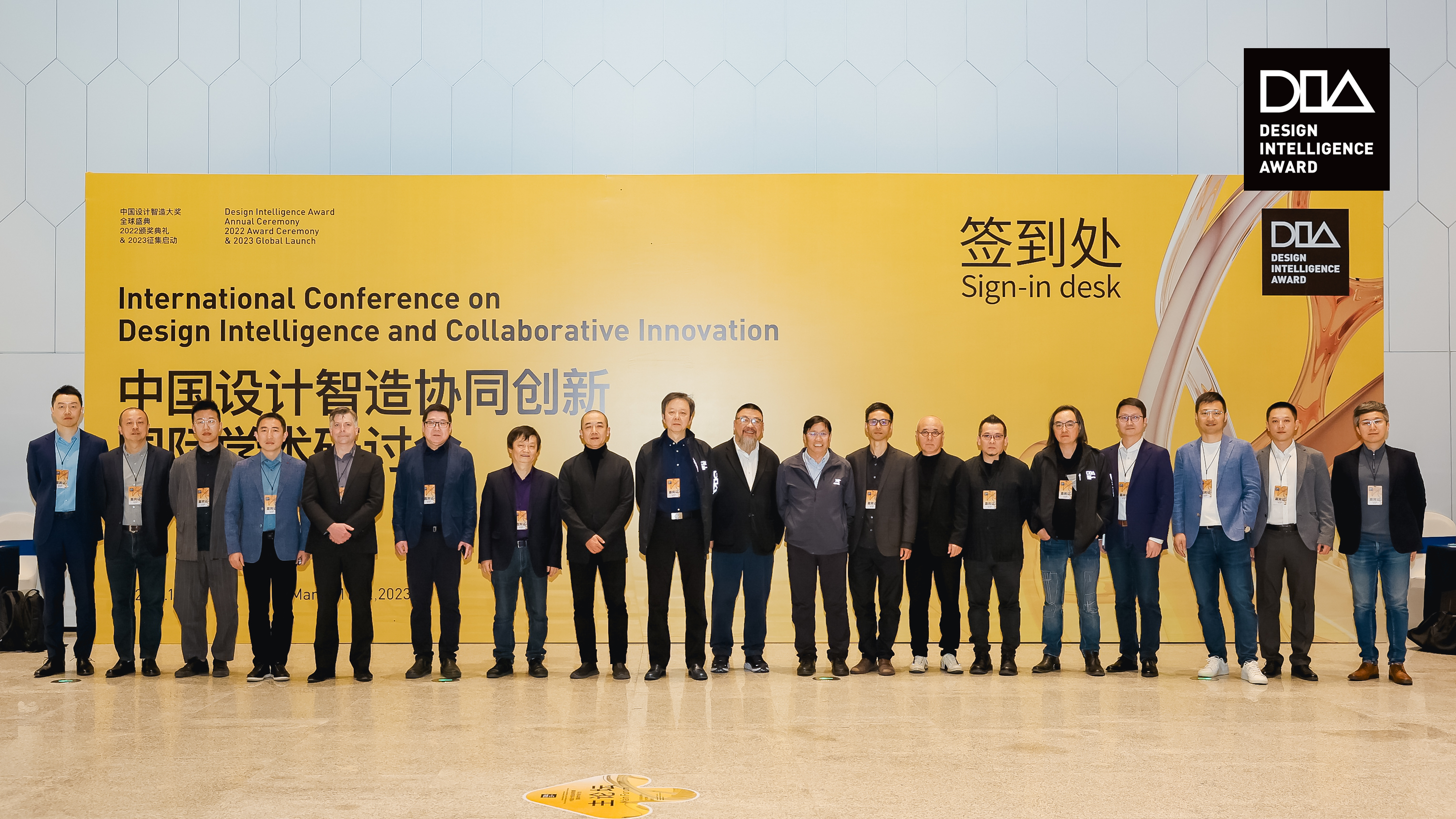
Group photo of guests in the Main Forum
01
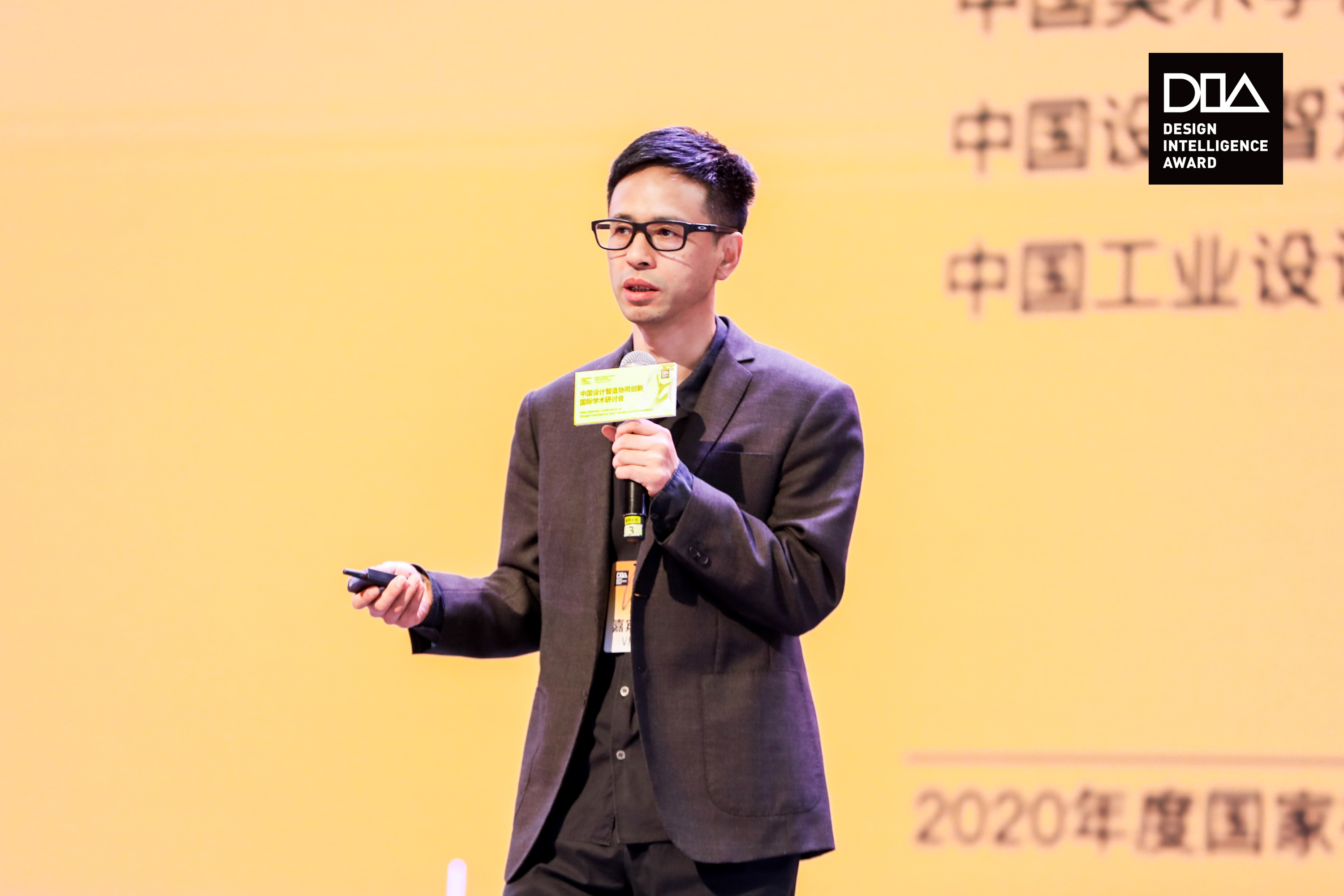
Wang Yun, Professor of China Academy of Art and Chief Expert of major art projects under National Social Science Fund of China
Report on Design Intelligence Trend
Professor Wang Yun conducted data mining and in-depth analysis according to the DIA Design Intelligence Database from 2016 to 2022, and displayed the information such as the composition of DIA participating countries, think tank ecology, works increment and track coefficient in the form of data map, showing that DIA is becoming an important global arena for innovative design, an open source think tank for innovative design and an innovation-driven frontier; He also positioned new tracks and new opportunities under the trend of the times through track expansion and winner growth.
02
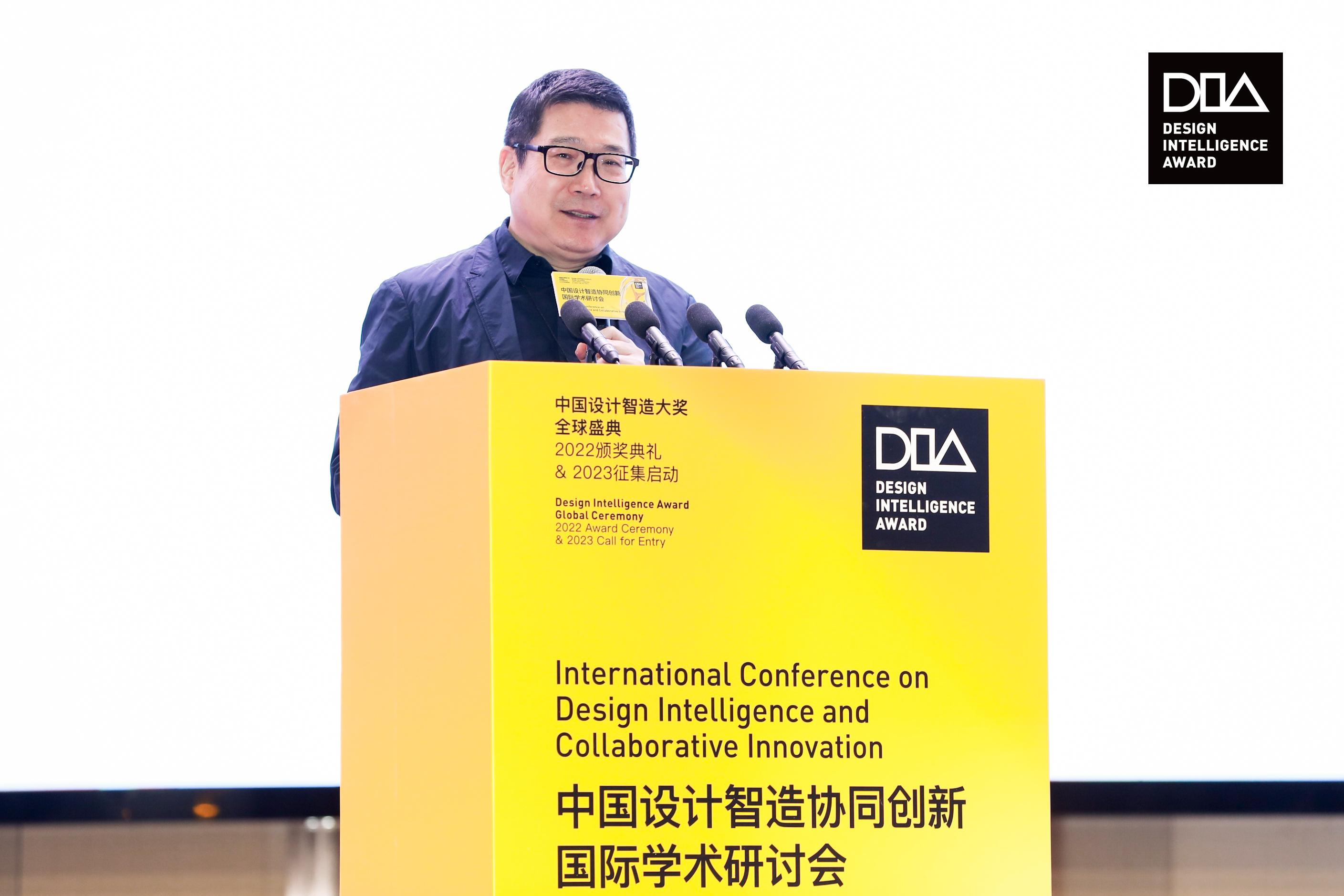
Hang Jian, Professor of China Academy of Art and Chairman of DIA Academic Council
Artificial Intelligence and Rule of Law
Professor Hang Jian interpreted the relationship between design and artificial intelligence with the ruling-by-law thought. He proposed that the channel of the relationship between artificial intelligence and the rule of law is how machines can establish a trust relationship with rules. This channel of man-machine relationship will produce a new feedback under which we can discuss the relationship between artificial intelligence and the rule of law. However, how to establish a balanced rule or governance relationship between design and AI through artificial intelligence channels is an important entry point for global design.
03
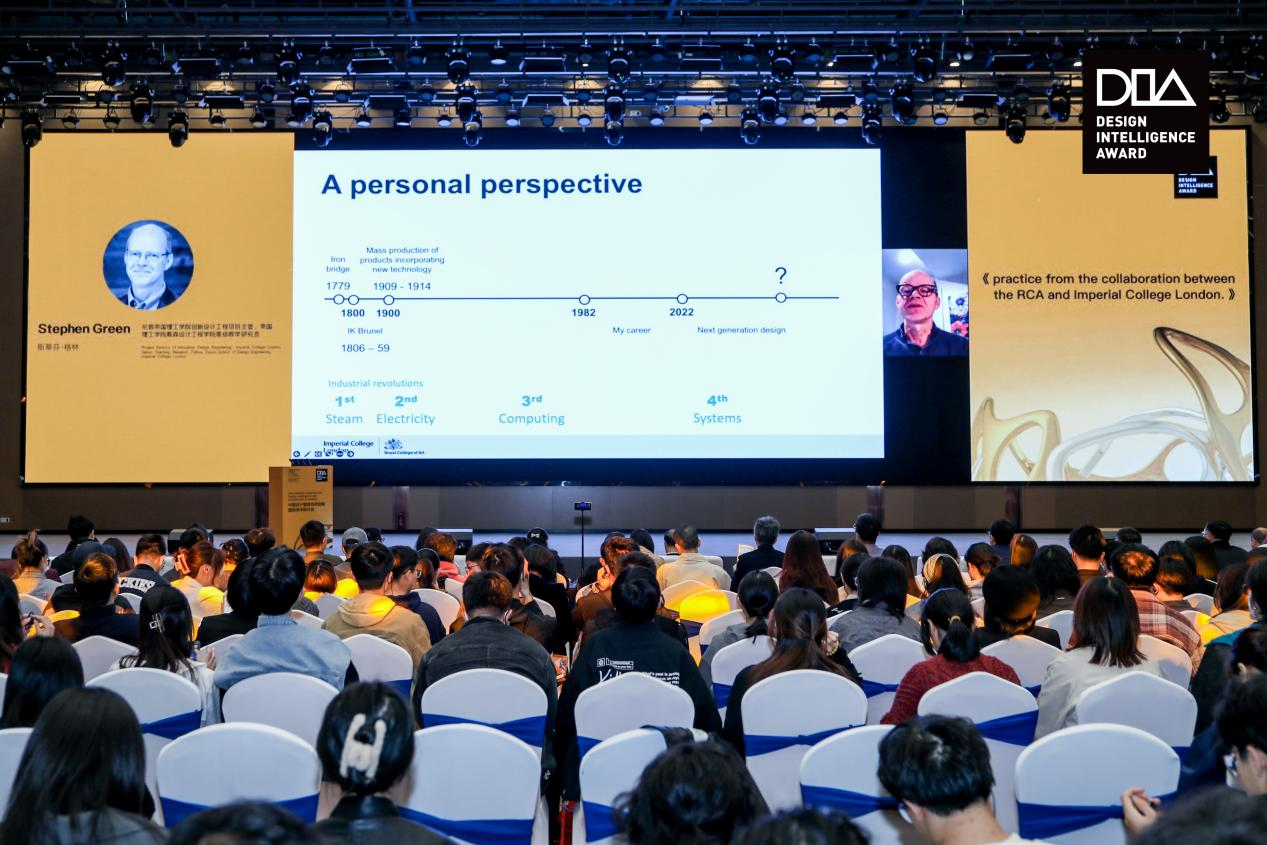
Stephen Green, Project Director of Innovative Design Engineering, Imperial College London and Senior Teaching Research Fellow of Dyson School of Design Engineering (UK)
Trans-disciplinarity: Evolving Innovation Design Engineering practice from the collaboration between the RCA and Imperial College London
Professor Stephen Green shared his years of experiences in the interdisciplinary education and practice of innovative design engineering. Professor Green described the experience of "Innovation Design Engineering", a course jointly set up by Imperial College London and Royal College of Art, and emphasized the influence of design innovation and the importance of systematic and sustainable solutions. He has been committed to the integration of design engineering, science and industry, so also shared the successful experience of interdisciplinary collaboration through three specific design cases.
04

He Renke, Professor of School of Design, Hunan University
Research on Metaverse and Wearable Devices
Professor He Renke's speech focuses on the popular metaverse and wearable devices. He believes that metaverse has created a new ecosystem closely related to wearable devices, and users can interact through the scenarios it has created. Professor He Renke thought that in order to realize the extended reality (XR) which integrates virtual reality, augmented reality and mixed reality, the designers need to study the relevant man-machine factors in detail, and meet the experience needs of users. In addition, based on a series of research cases undertaken by his team in wearable devices, he showed us how to carry out man-machine research in the context of metaverse.
05

Tanizaki Masaaki, Director of R&D Center, Hitachi Group (Japan)
Connecting Society
Starting from Hitachi Group, Mr. Tanizaki Masaaki talked about Hitachi Group's new thinking on R&D. Hitachi Group has been committed to continuous innovation and design in response to the different needs of individuals, society and enterprises, and is carrying out collaborative innovation from three angles: future, innovation and society. Hitachi Group believes that our social innovation can be used as a force for good, from the existence of a realistic network society to connecting society in a new way.
06
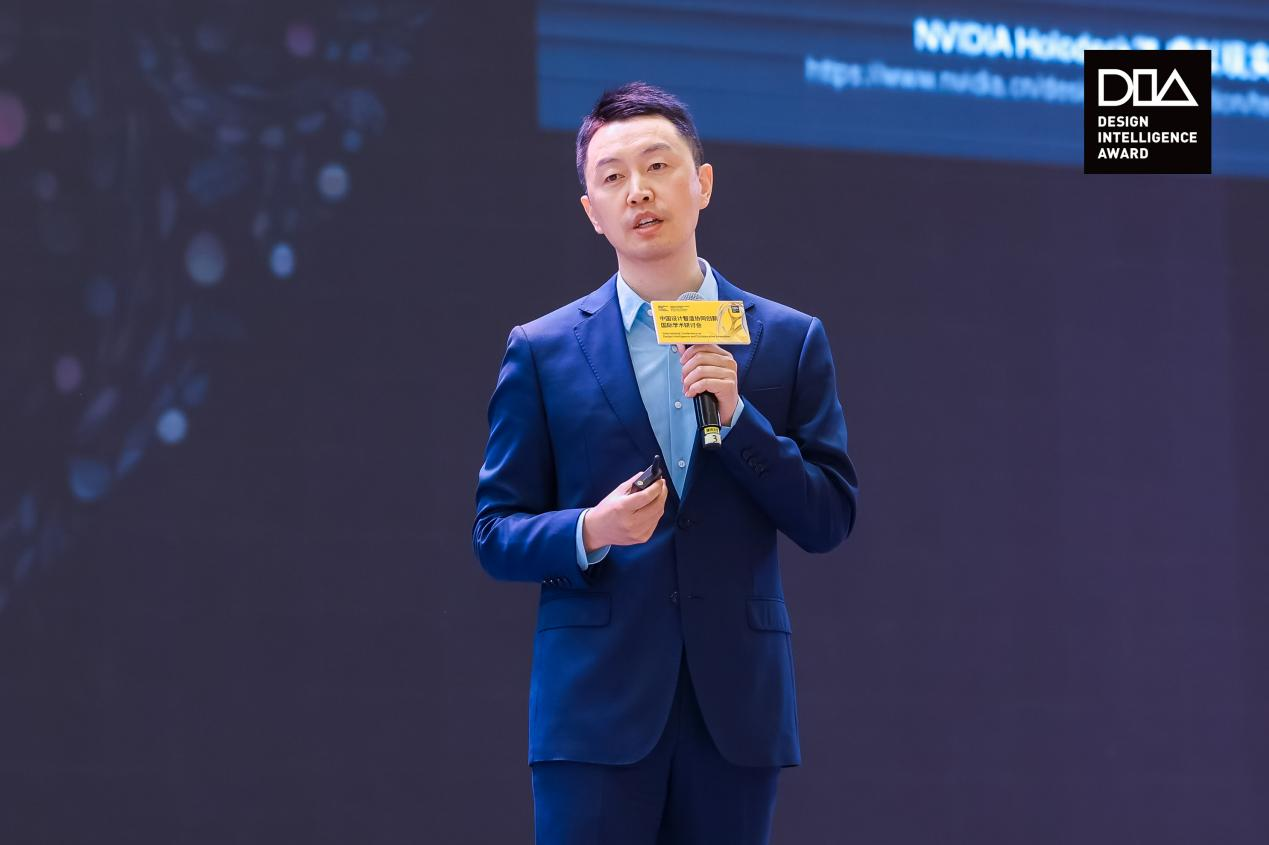
Sun Lingyun, Associate Dean, College of Computer Science and Technology, Zhejiang University
Design in the Age of Intelligence Augmentation
Professor Sun Lingyun started from the four paradigm shifts of scientific research and talked about the changes taking place in life sciences, astronomy, manufacturing and other fields in the past. Through the great migration and explosion of artificial intelligence, he shared how artificial intelligence is affecting design, and made a bold prediction on the possibility of future development of design, inspiring the audience to think about the influence of science and technology in the next 10 years.
07
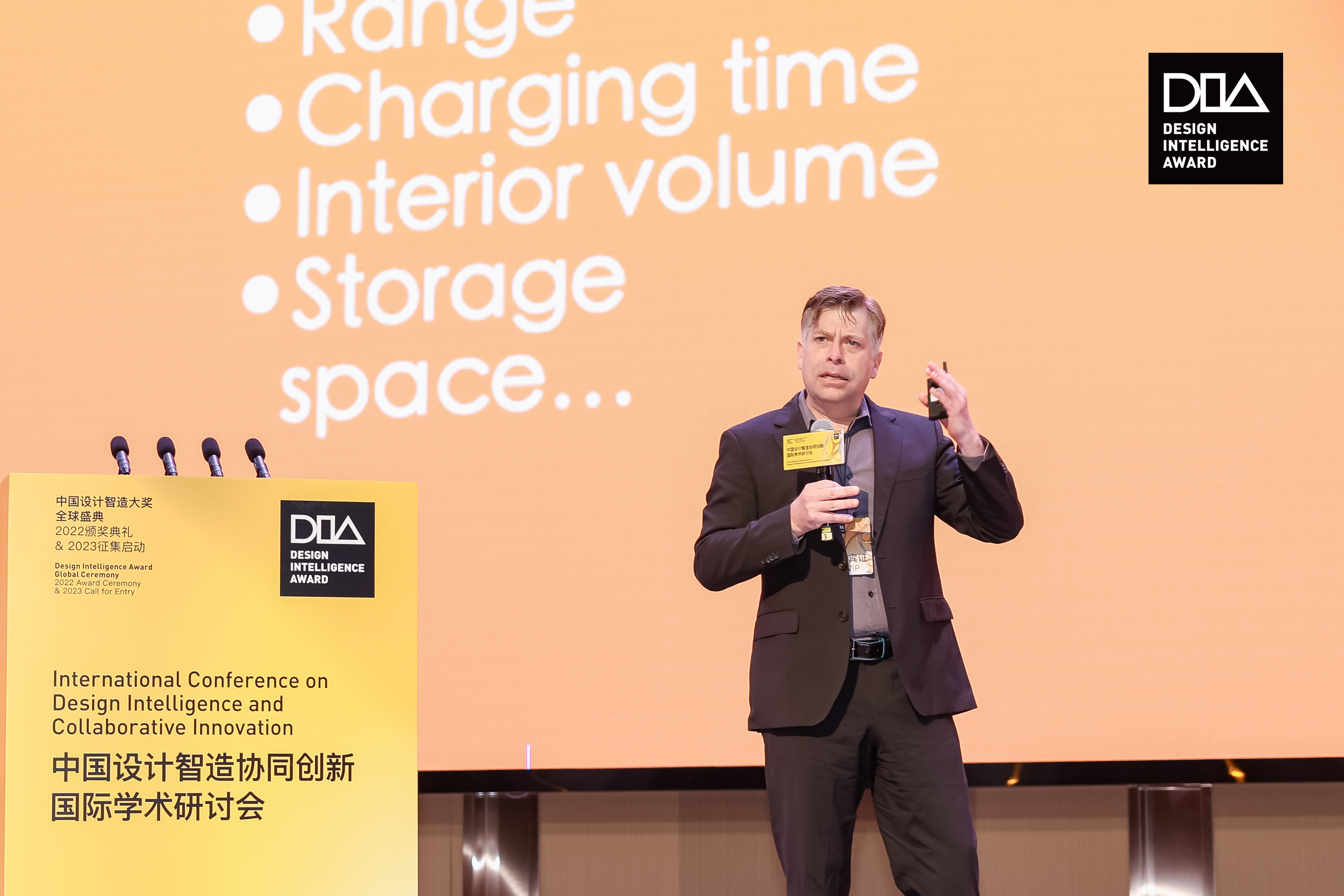
James Hope, Professor of China Academy of Art, Director of CAA Transportation Design Institute (Canada)
Thoughts on Design Evolution
Professor James Hope started from the history of design, and described the evolution process of design innovation with cases or topics such as design aesthetics, electric vehicles, materials science and carbon neutrality. He emphasized that designers are a very important role. As designers, we should discuss major plans and seek the future together, which is our common responsibility and will become the mission and responsibility of the builders of the future.
08
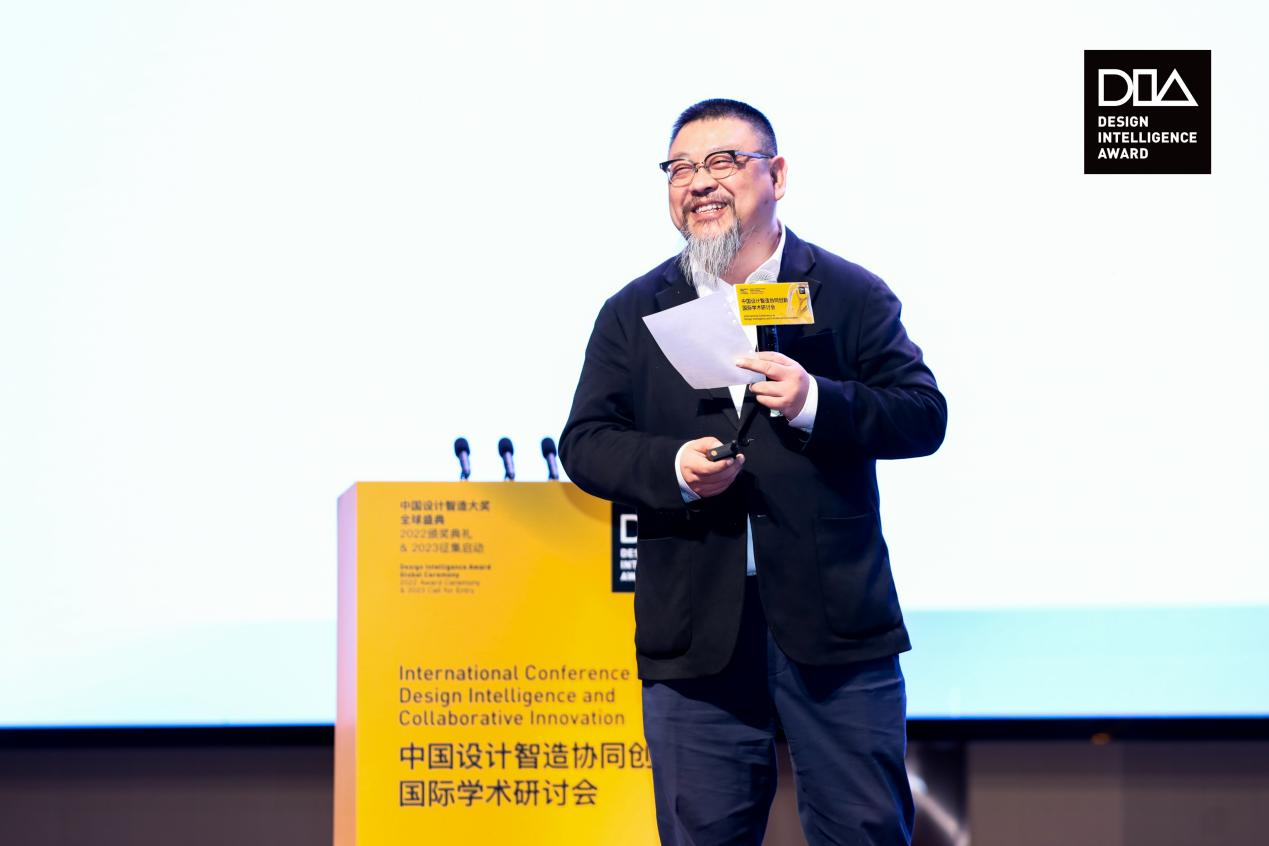
Fang Xiaofeng, Professor, Associate Dean of the Academy of Arts & Design, Tsinghua University, and Editor-in-Chief of ZHUANGSHI Journal
Cultural Narration of Design
Professor Fang Xiaofeng pointed out that culture is essentially a value system, which has certain prescriptive standards; it is a flexible system and a choice mechanism. Culture dominates our choice, and the judgment behind our choice depends on culture, so culture is also the externalization and manifestation of values. However, our understanding of culture is biased, because a large number of cultural products serve as symbols or are based on the use of symbols. The whole speech discussed how culture is embodied in the future design from the perspective of reflection, and reminded scholars in arts and humanities that they should keep a little vigilance against artificial intelligence.
09
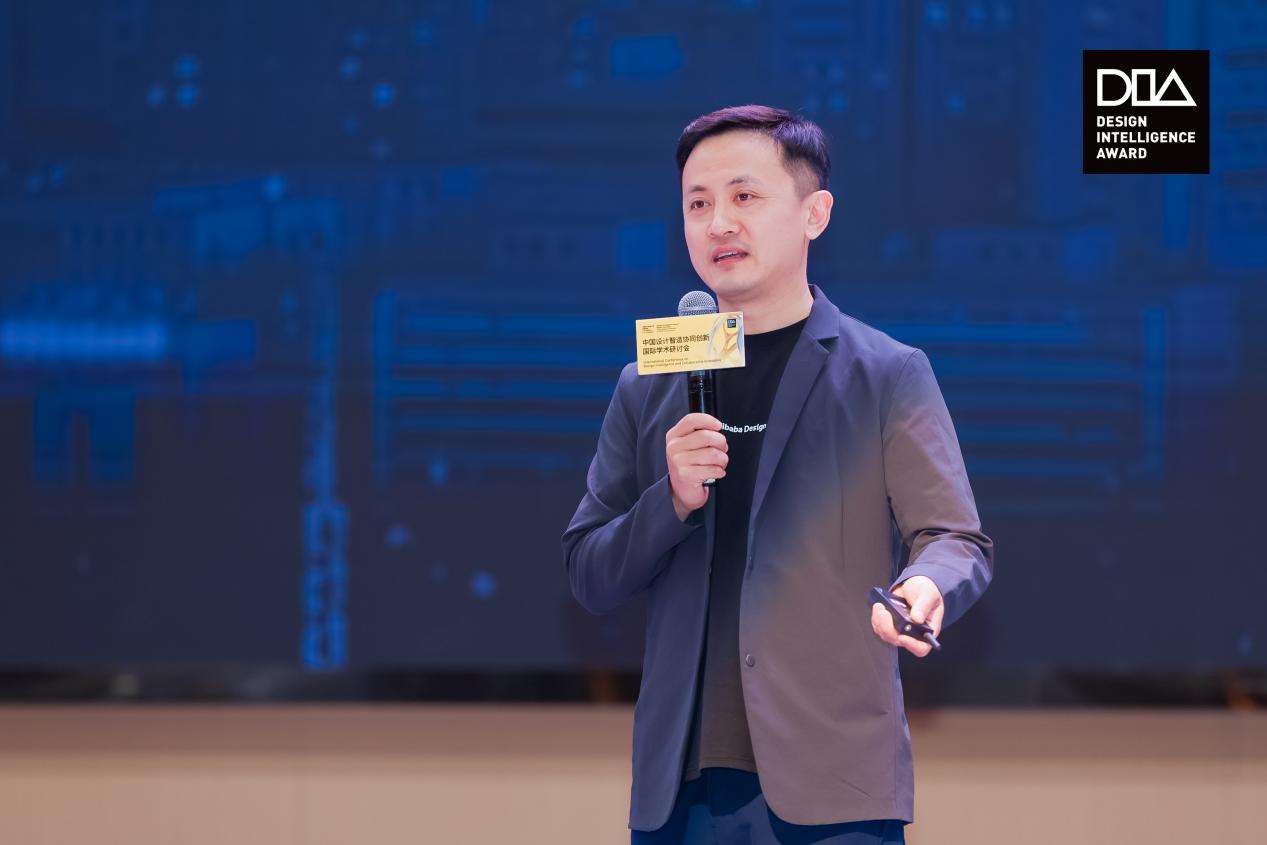
Yang Guang, Vice President of Alibaba Group and Head of Alibaba Design Committee
Design in Digital Tide
Mr. Yang Guang believed that digitalization plays a key role in economic development in the current wave of digital development in China. With the help of data and cases, he told us that digitalization is the core driving force of China's economic development in the future, both for the country and enterprises. He also believed that designers should relieve their concerns in the AI era. Digitalization will blow up designers' creative wings, expand designers' thinking and release designers' creativity.
10
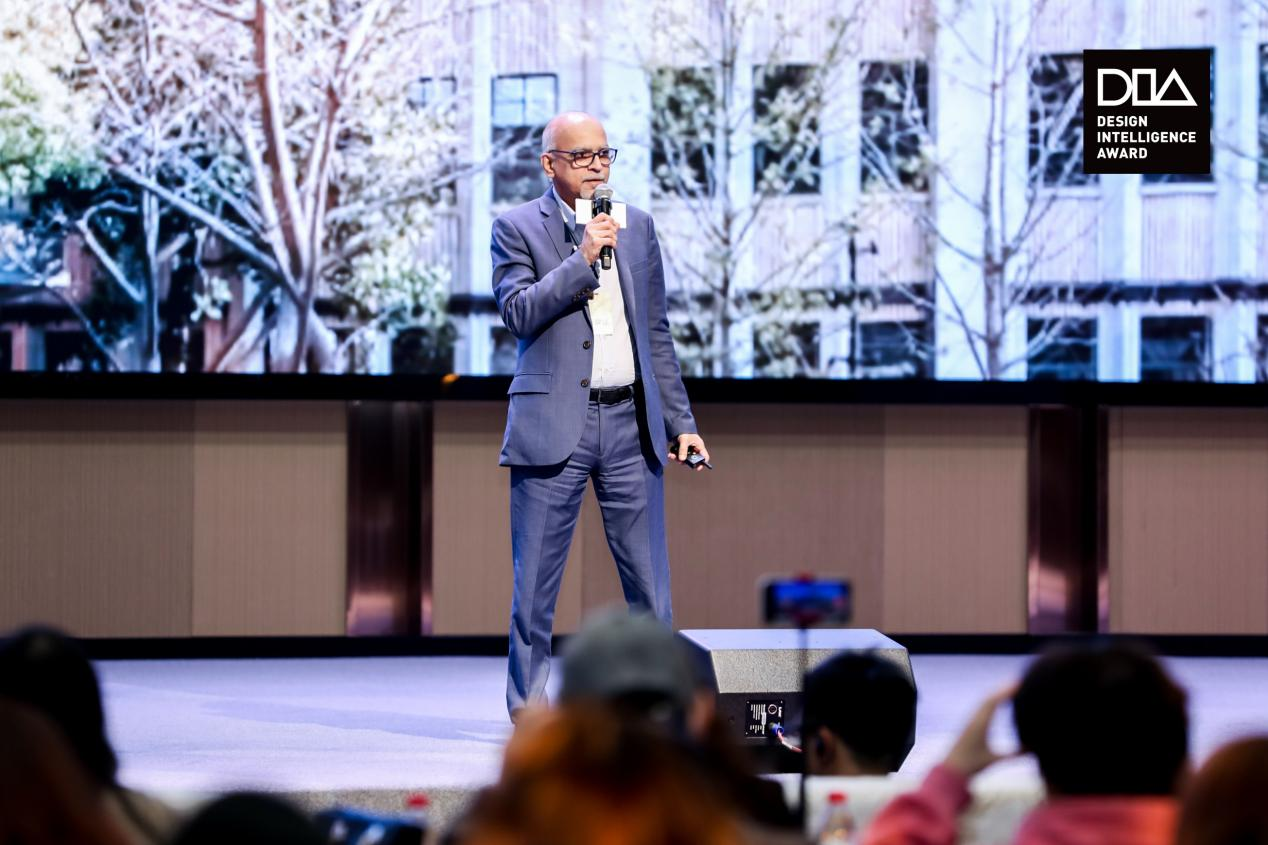
Srini R. Srinivasan, former chairman of WDO and COO of Design Innovation Institute Shanghai (US)
Network Society: Relevance of Knowledge Society Today & Beyond
Mr. Srini's speech is based on the role and evolution of human knowledge system under the development of network society and information society. He talked about the contribution that neural network and artificial intelligence can make to human beings, and put forward the complexity of design in social evolution and how to realize ideals through design. He also mentioned how design, as a global common language, should face the essence of design and how to transform design and gain social influence. We can see how enterprises operate under the dimension of knowledge economy, and how to make knowledge and sustainable development go hand in hand.
11
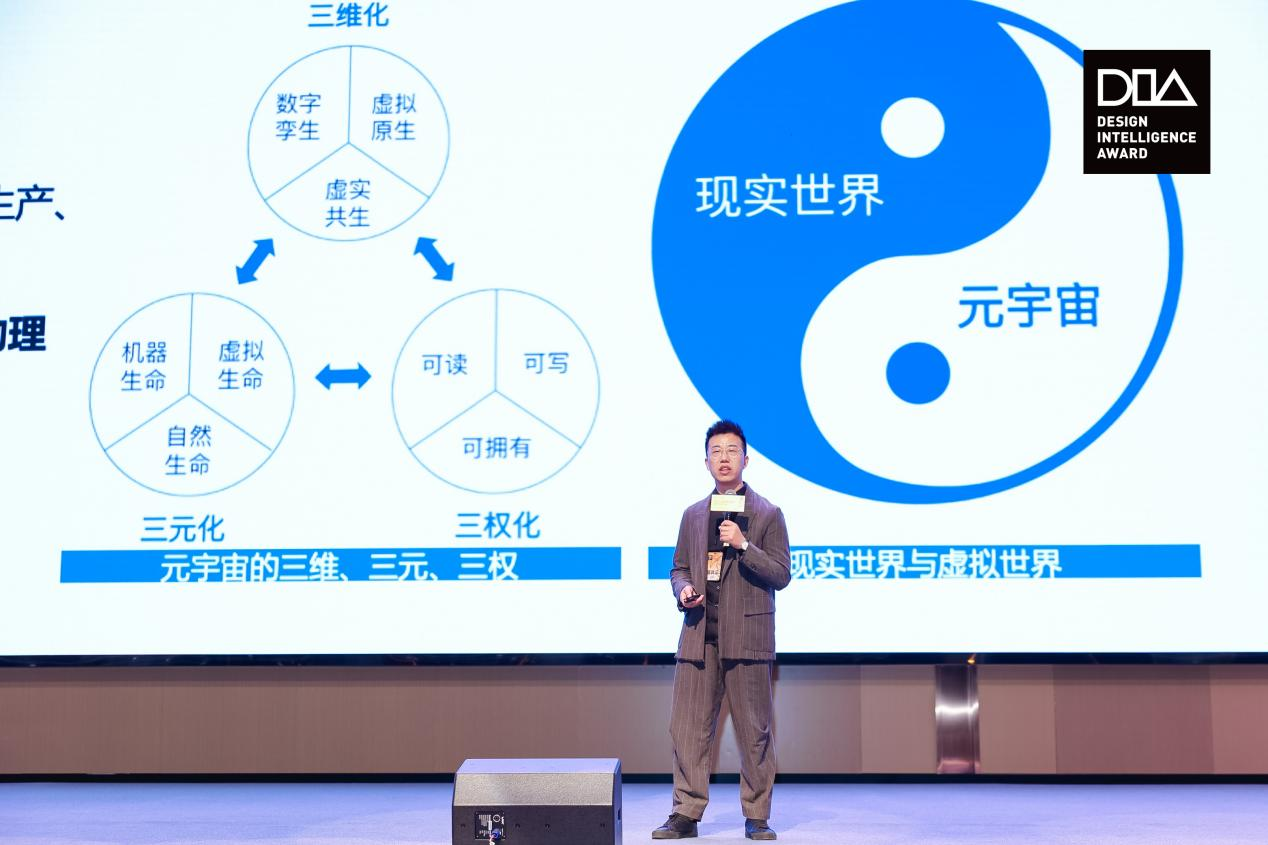
Hong Yan, Fellow of Royal Society of Arts (FRSA) and Executive Director of (Sino-French) International Joint Laboratory of Universities in Jiangsu Province
Social and Future Design in Metaverse
In his thinking about the future, Professor Hong Yan described metaverse as a kind of imagination, the relationship between the real world and the virtual world, and metaverse as a field where users can immerse themselves wholeheartedly and complement and transform each other. According to the four characteristics of metaverse and the concept of social metaverse, he showed us his imagination of metaverse design in the future: Design life and technology, and the transfer of social interaction and design subject.
12
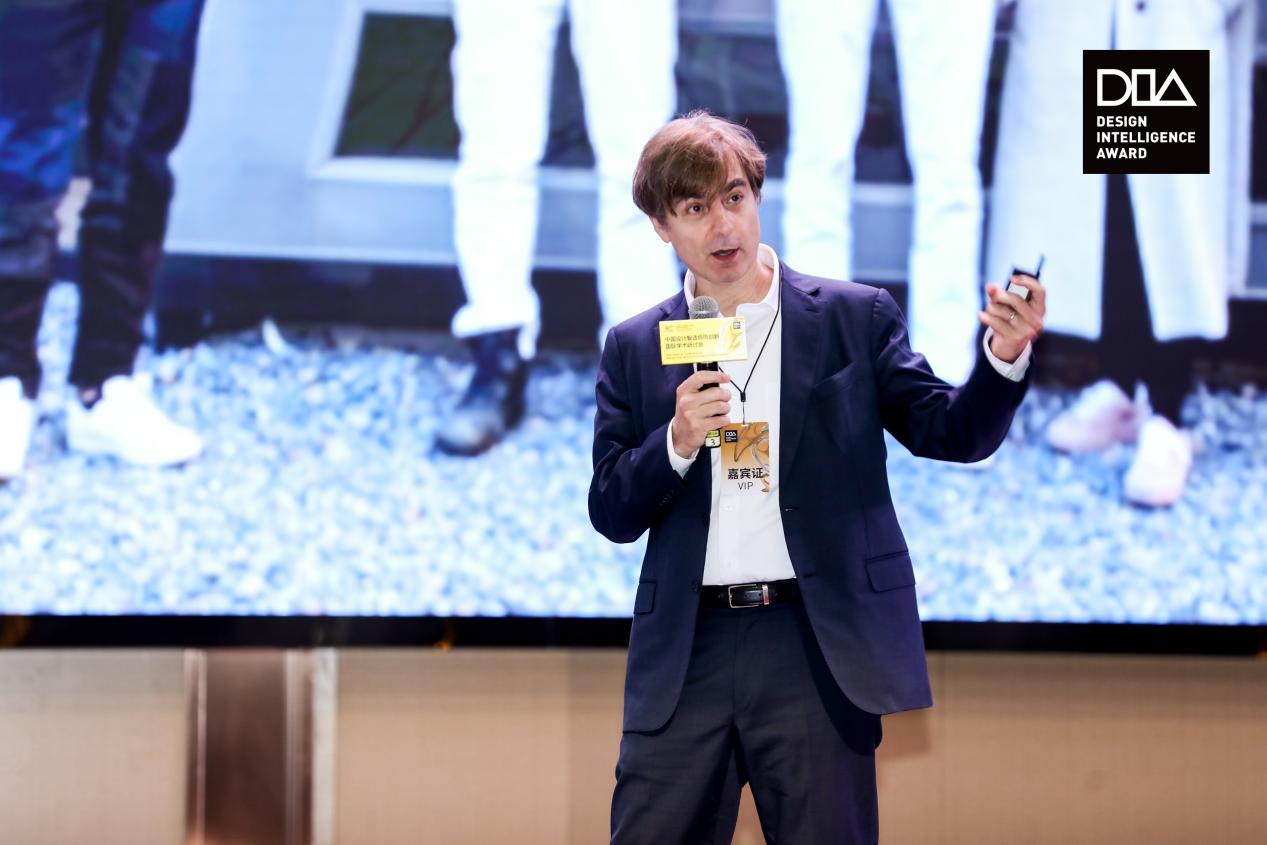
Kostas Terzidis, Professor of Tongji University and Director of Tongji Shangxiang Laboratory (US)
Design Designs Design
Professor Kostas Terzidis gave a speech on his three ongoing projects, "AI Art Aiiiii", "Kids AID" and "Design Designs Design". He talked about the renovation of the old factory building and the path to stimulate the creative potential in the context of artificial intelligence. He interpreted coding as a tool. The development of program coding has greatly improved the convenience of human beings in life and released their creativity in the art field, and called on people and the next generation to think about how to become the creators of tools.
13
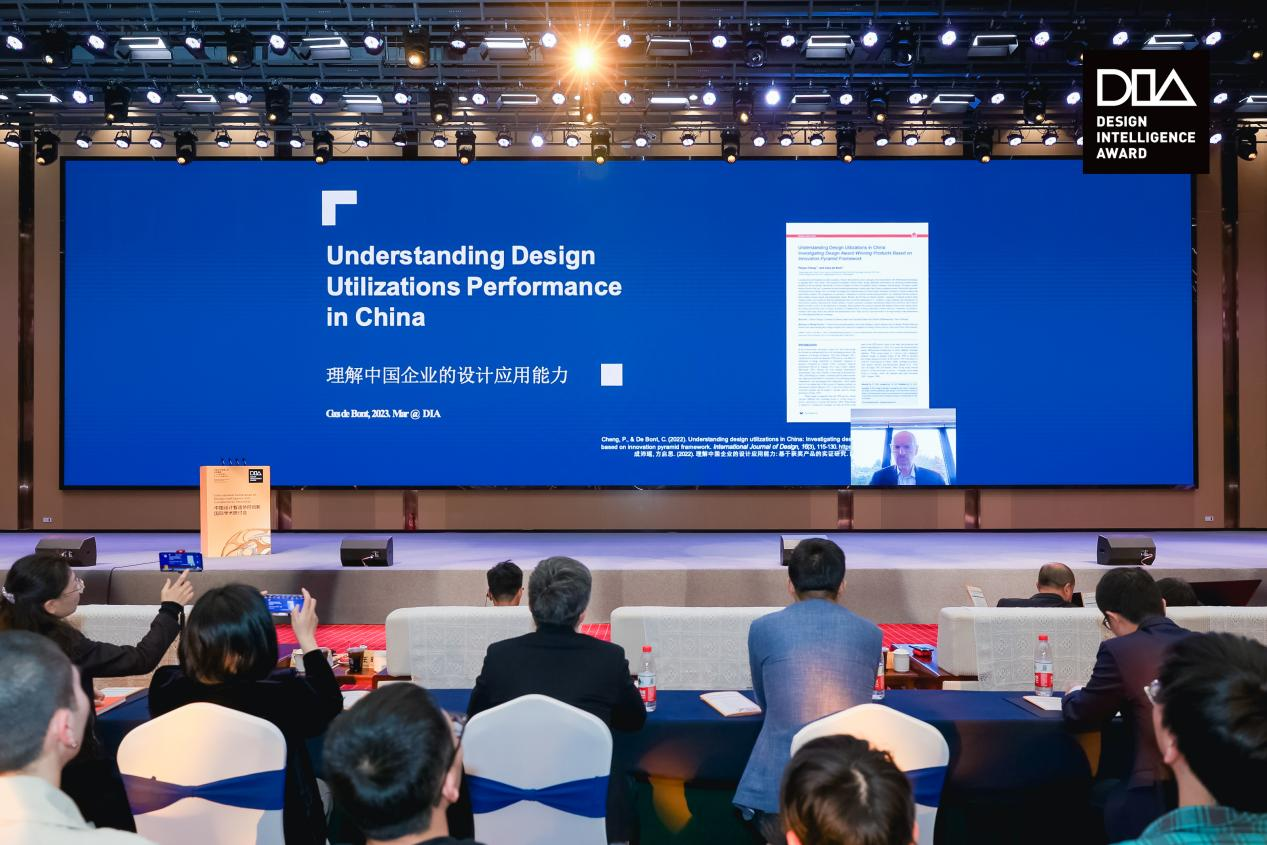
Cees de Bont, Dean of the School of Design and Creative Arts, Loughborough University (the Netherlands)
Understand the Design Application Ability of Chinese Enterprises
Cees de Bont shared his analysis and research on the industrial upgrading of Chinese enterprises and the current situation of design and application capabilities of some Chinese enterprises in recent years. He pointed out that Chinese brands are increasingly recognized in the world, and the innovative power of Chinese brands and enterprises is very strong, but he also pointed out that both Chinese enterprises and international enterprises are facing the same difficulty of finding the meaning of innovation. Many domestic enterprises choose product innovation instead of strategic innovation from a strategic point of view. He summarized the rich achievements of China’s manufacturing and design in recent years, and also provided valuable ideas for further development and improvement.
14
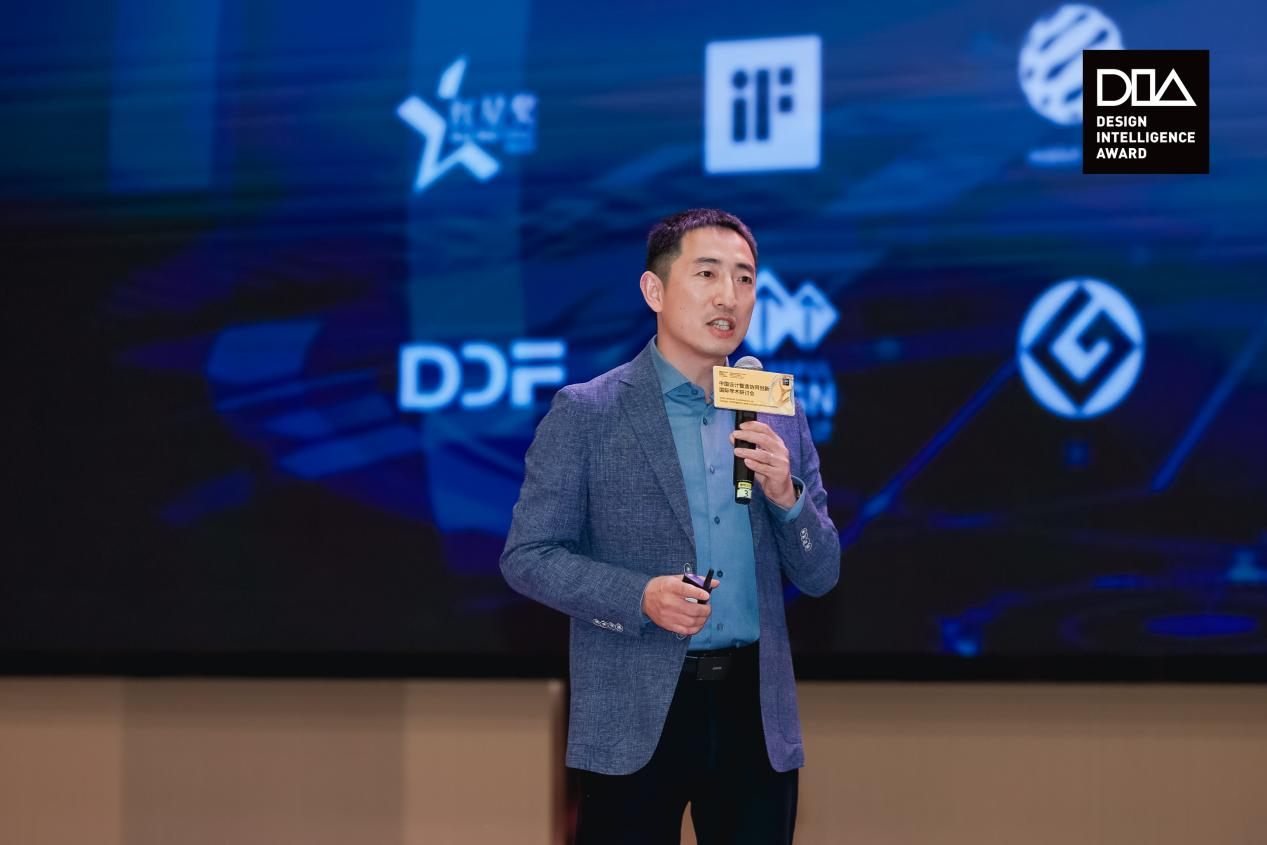
Zhou Ligang, President of Hangzhou Bole Industrial Design Co., Ltd. and President of Hangzhou Industrial Design Association
Trend Insight, Design for Growth
Mr. Zhou Ligang set forth his ideas on China's design ability and product competitiveness in detail based on his own experience, and described the development trend of new consumer brands with trend and growth as the key words. He stressed that the driving force of design is the foundation and is of great value. From the product point of view, it must change from functional consumption to emotional consumption, and we should not stay on the simple pain point of product design function. He also analyzed the data-driven design industrialization, and summarized the importance of getting through the barriers in the upstream and downstream industrial chains and the required capabilities. Mr. Zhou has brought valuable experience to the peers and employees in design industrialization.
15
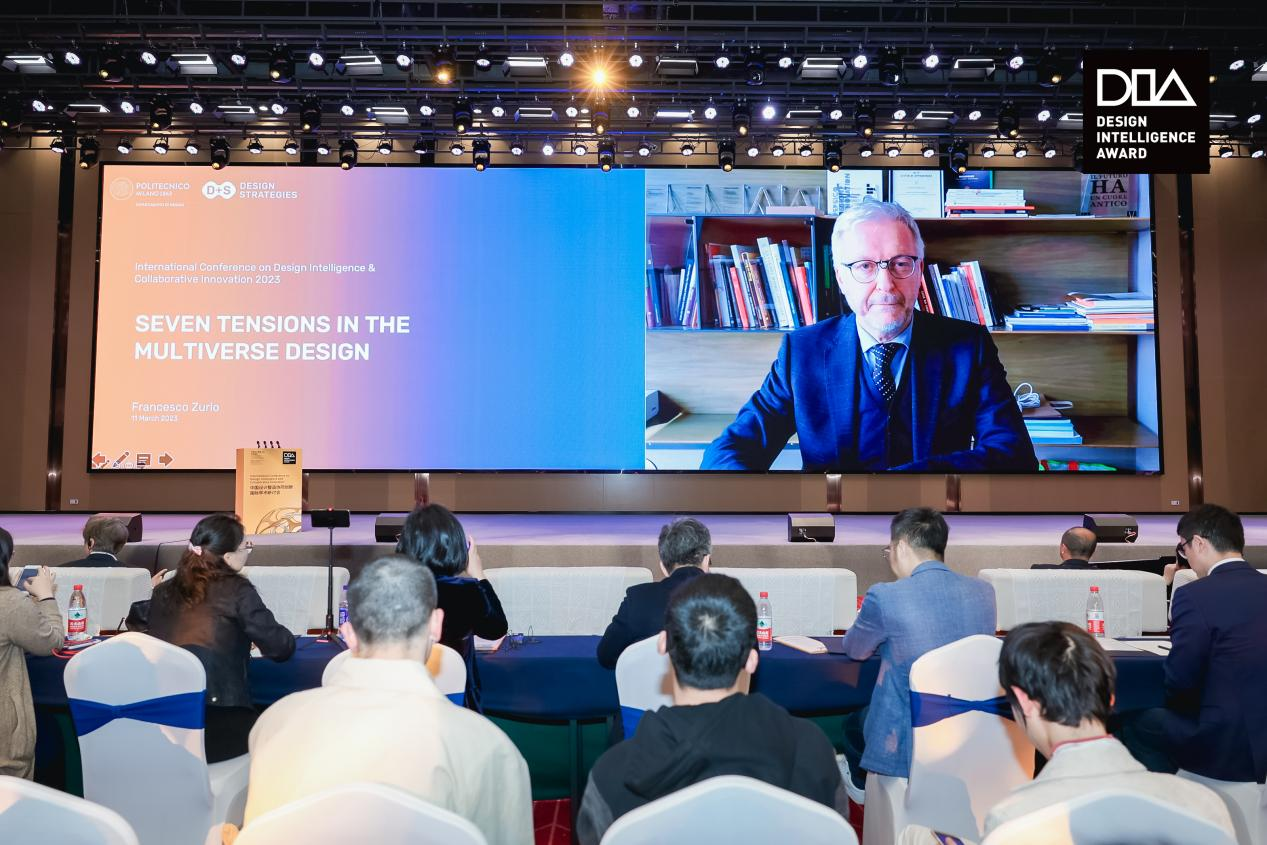
Francesco Paolo Zurlo, Dean of the Department of Design, Polytechnic University of Milan (Italy)
Seven Tensions in the Multiverse Design
Professor Francesco Paolo Zurlo, shared relevant knowledge with the audience on the seven tensions of design, including context of industrial design industry, the popularization of design knowledge, inheritance and innovation, and the progress of globalization and localization, and called on the design industry to gradually develop from people-oriented to human society-oriented to promote the common well-being of mankind, not only should we consider the simplicity of human life, but also consider the complexity of people living together, abandoning some traditional thinking, so that people can express their personality more through design.
16
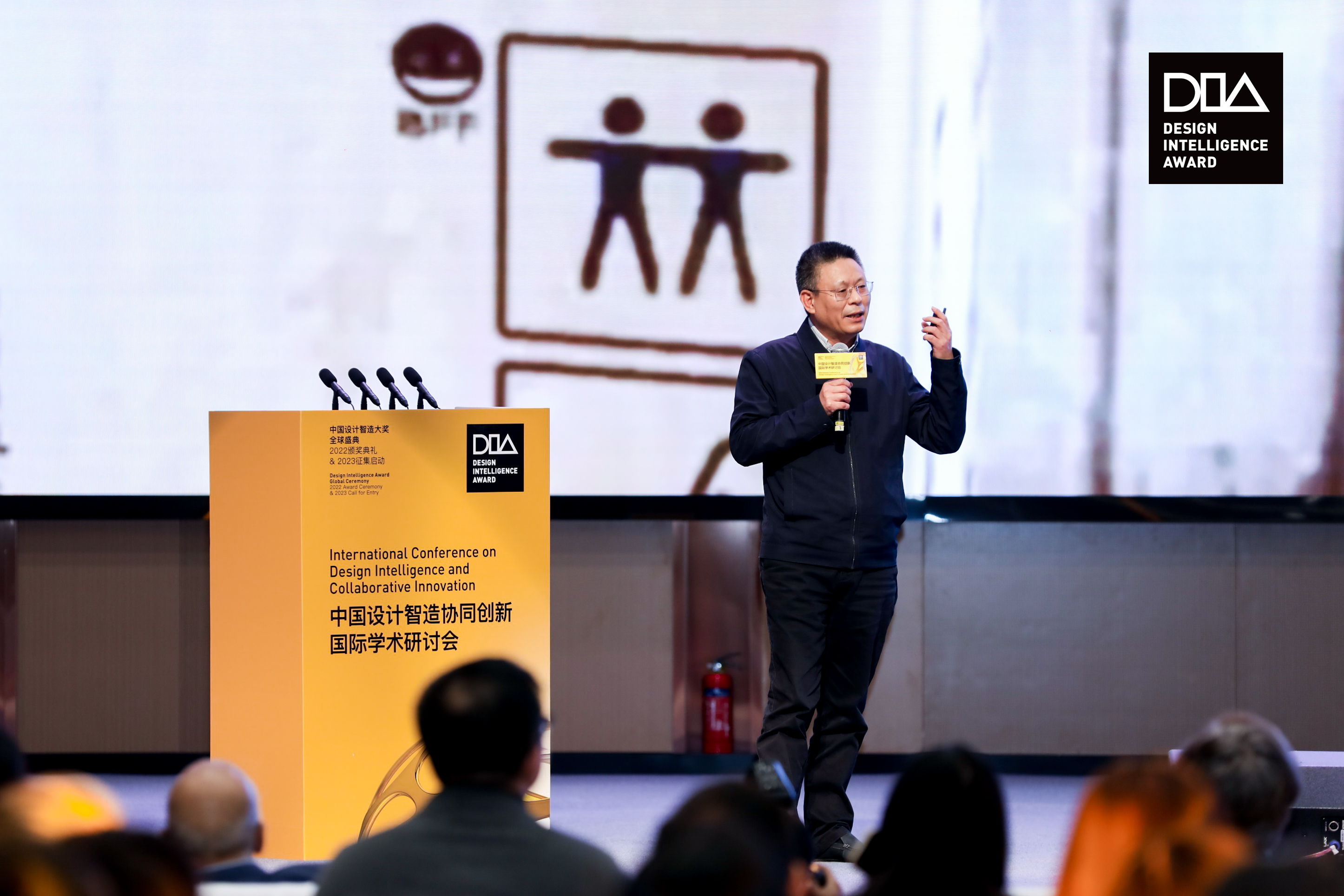
Li Taihao, Senior Researcher of Zhejiang Lab
Cross-media Human-computer Interaction Driven by IQ + EQ
Dr. Li Taihao showed the latest research results of Zhejiang Lab in the field of emotional computing, including multimodal emotional recognition, empathic response-anthropomorphic emotional dialogue, extended skills-text and graph generation, etc. By combining these AI generation technologies with emotions, a multimodal emotional interaction system can be formed. He pointed out that man-computer symbiosis has become the future trend of the world, and design should focus on the emotional communication between human beings and computers, and the current production technology also needs more emotional intervention.
To make an appointment for the complete content of the Forum, please scan the QR code
Anthology of International Conference on Design Intelligence & Collaborative Innovation
(Expected to be published before December 31, 2023)

Playback of the Forum live stream
https://wx.vzan.com/live/mk/aggspread/737147051/6e036c1c-bd90-11ed-93c5-043f72d45e40?v=1678330551348
Playback of the Forum photos
https://live.photoplus.cn/live/27765449?accessFrom=live#/list
Organizer
China Academy of Art
Supporter
National Center for Art Science Planning Project Management
Undertaker
Design Innovation Center (DIC) of China Academy of Art
School of Design, China Academy of Art
College of Computer Science and Technology, Zhejiang University
School of Design, Hunan University
Design-AI Lab
Co-organizer
Design Intelligence Award
International Forum for Design Research
Industry Supporter
Zhejiang Industrial Design Association
Hangzhou Industrial Design Association
Shaoxing Industrial Design Association
Chief planner
Wang Yun, Bi Xuefeng, Liu Zheng, Liu Yonghong, Luo Shijian, Liu Xiaojian
Executive planner
Xiong Na
Academic assistant
Zhang Lingyan, Chen Songzhe, Yin Yanlin, Zhong Fangxu, Liu Yawen, Hua Hanyi, Chen Shuangying, Guo Wu, Yu Xiujia, Wang Zhouwei, Zhang Qianxi, Xu Wenling
Content Editor | Zhang Lingyan, Chen Songzhe
Content Reviewer | Wang Yun, Xiong Na